

By William Young
The Quiet Power of Belonging
Every few weeks, I meet someone who’s lived in Nashville long enough to remember when sidewalks weren’t just uneven—but missing entirely. A house might sparkle, a new business may open, but without sidewalks, streetlights, or a grocery store close by, residents say their neighborhood feels disconnected, not complete. These are small things, but they’re everything when you walk your children to school or nurse an injury without a car.
According to surveys by Imagine Nashville, while many locals feel they belong here—nearly 77% said so—fewer feel the benefits of Nashville are shared equitably. Folks aged 65 and up, members of the Black community, those with lower income or education report feeling left behind. Residence alone doesn’t always mean inclusion. Seeing wealthier neighborhoods receive more amenities, and not seeing investment in others, sows frustration and cynicism. People want neighborhood strength—not just headlines.
Affordable Homes, Diverse Streets
Nashville is changing fast. Developers are building big, or building out of reach. Zoning discussions, housing and infrastructure studies—they’re shaping where we live, how we live, and who gets to stay. Many residents appreciate the conversations underway, but worry the fixes don’t match the pace of growth. Few want to see entire neighborhoods redefined without their input.
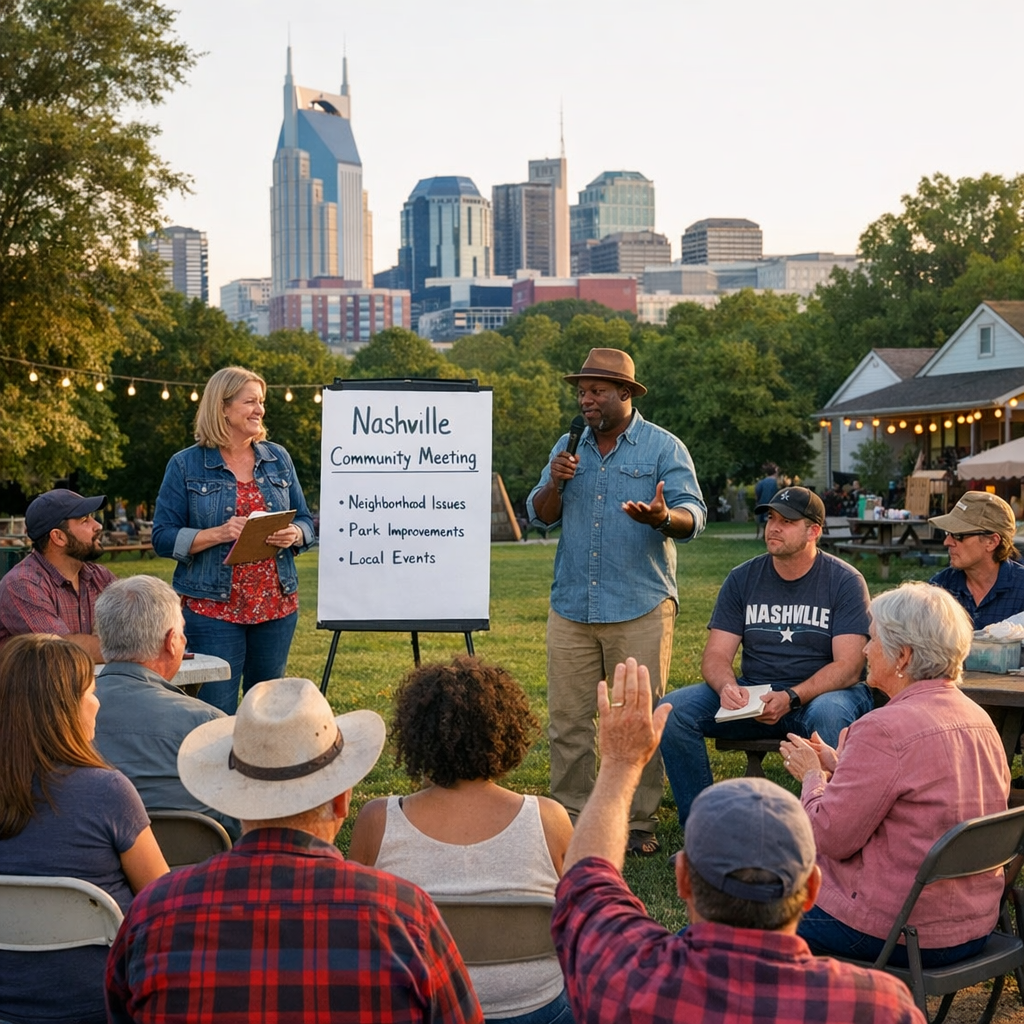
That’s where neighborhood coalitions—organizers, long-time homeowners, renters—come in. From Edgehill to North Nashville, from Midtown to Joelton, groups are drawing lines around what change should look like. They’re raising funds, mapping flood risks, working on transit access, and demanding zoning reform that respects history while opening doors. Change is happening in meetings, not just proclamations.
Transit, Green Space, Shared Priorities
“Road safety, access to reliable transit, spaces where neighbors linger” are things people want when they think of an ideal district. With many Nashvillians saying traffic, housing unaffordability, and disjointed growth hurt their daily life most, these shared priorities are loud and persistent.
Voices from networks like Urban Green Lab’s “Voices of Resilience” show how climate change, storms, or heat amplify inequities—poor drainage, sparse tree cover, and aging infrastructure hit lower-income neighborhoods hardest. Neighbors reminding us that climate resilience is not a luxury—it’s a necessity.
How to Move Toward Neighborhood Strength
So, what turns these ideas into something lived?
- Inclusive planning tables: Neighborhood workers, renters, youth—especially those often left out—should be part of the conversations when city plans or zoning changes are proposed.
- Diverse housing options: So people of different incomes, backgrounds, and life stages can live in one place—not driven out or isolated.
- Safe, walkable streets: Sidewalks, lighting, green spaces—where people can meet, children can play, seniors can walk.
- Good transit options: Public transport that is reliable, connected, and ‒ just as important ‒ affordable, so it works as well for shift workers as it does for office commuters.
- Support and resilience infrastructure: From flood control to emergency services to disaster awareness, so communities aren’t just surviving weather or crisis—they’re ready for it.
Nashville’s story isn’t just about concert venues and new skylines—it’s about front porches, corner markets, shaded sidewalks, places where people greet each other with more than a nod. The strength of a neighborhood reveals itself over time.