

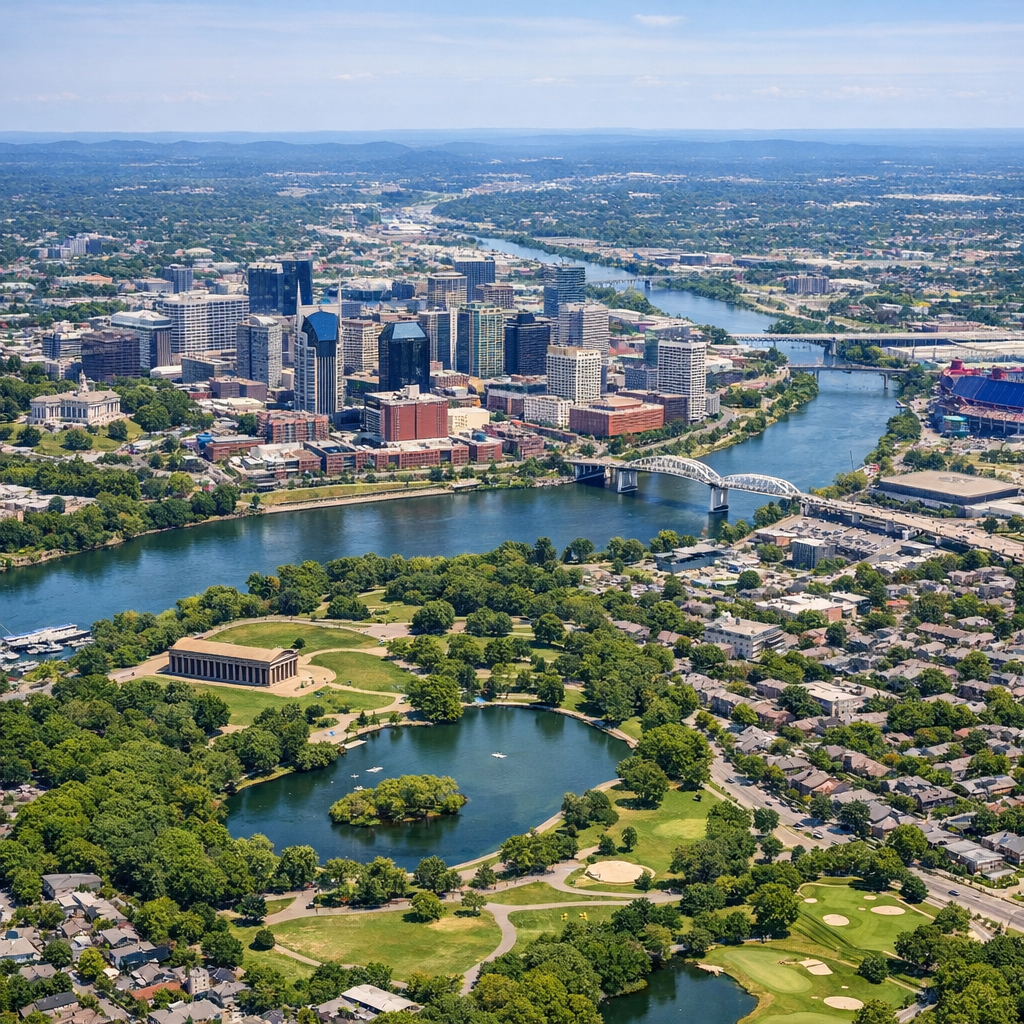
Nashville is proactively addressing the challenges posed by climate change through a series of comprehensive strategies aimed at enhancing the city’s resilience and sustainability.
Understanding Climate Resilience
Climate resilience refers to the ability of a community to anticipate, adapt to, and recover from climate-related disruptions. In Nashville, this involves preparing for increased heat waves, flash floods, and severe weather events that are becoming more frequent due to climate change.
Key Initiatives
Ecological Conservation Strategy
The Metro Planning Department has launched the Ecological Conservation Strategy (ECS) to balance urban growth with the preservation of natural landscapes. This initiative focuses on protecting waterways, forests, and green spaces while supporting the city’s development.
Zero Waste Nashville
Aiming to divert 90% of waste from landfills, the Zero Waste Nashville program emphasizes reducing, reusing, recycling, and composting. This initiative seeks to decrease the environmental impact of waste and promote sustainable practices among residents.
Urban Heat Island Mitigation
To combat the urban heat island effect, Nashville is investing in increasing tree canopy coverage and expanding green spaces. These efforts help lower city temperatures and improve air quality, contributing to a healthier urban environment.
Community Engagement
Organizations like Urban Green Lab are instrumental in educating residents about sustainable living practices. Through workshops and community programs, they empower individuals to make environmentally conscious decisions in their daily lives.
Looking Ahead
As Nashville continues to grow, integrating climate resilience into urban planning remains a priority. By adopting sustainable practices and engaging the community, the city aims to ensure a livable and thriving environment for future generations.